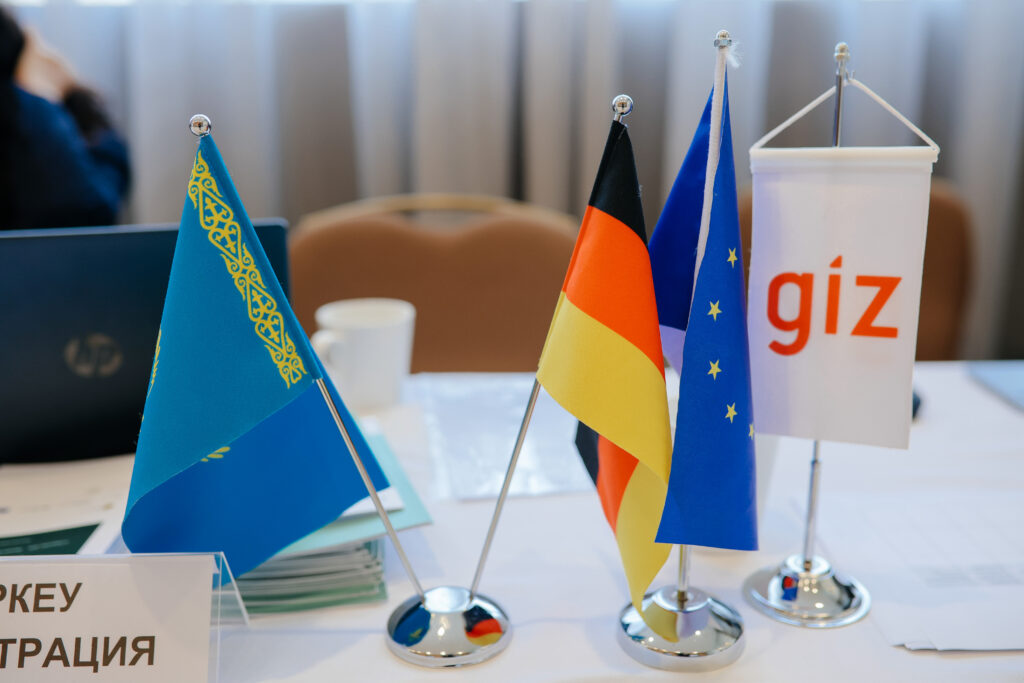
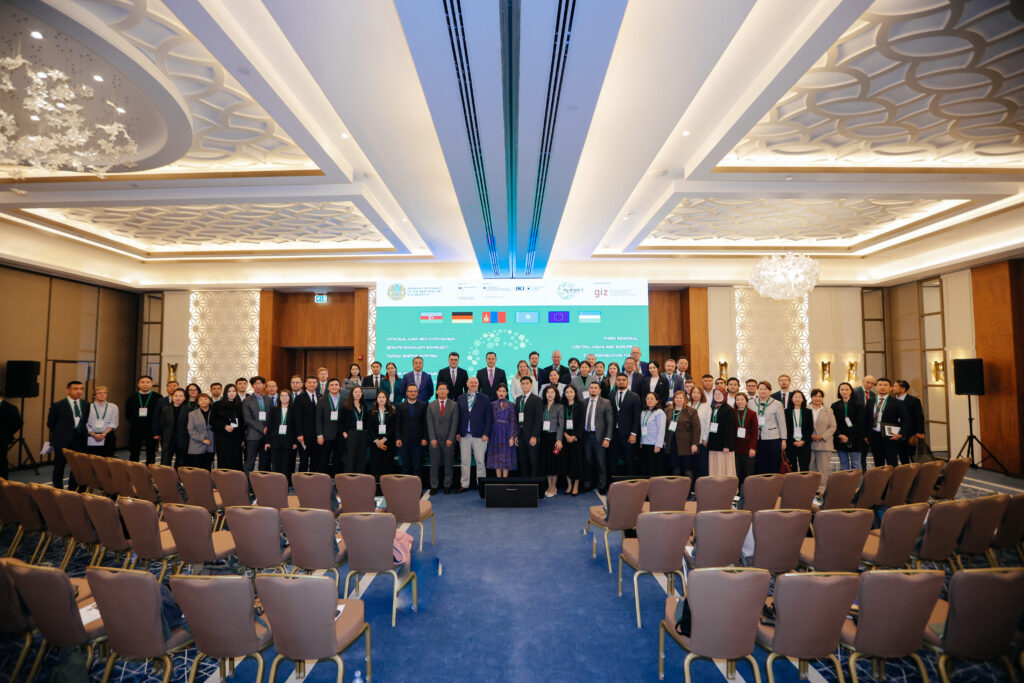
On 16 September 2026, the Third Regional Central Asian and European Decarbonisation Forum brought together more than 120 policymakers, energy experts, representatives of international organisations and financial institutions, researchers and businesses in Astana. Co-organised by the Ministry of Energy of the Republic of Kazakhstan and the GIZ Hydrogen Diplomacy Office Astana (H2-diplo), together with GIZ’s EURECA and IKI JET projects and the European Bank for Reconstruction and Development (EBRD), the Forum focused on translating policy commitments into investment, regional cooperation, and practical decarbonisation solutions.
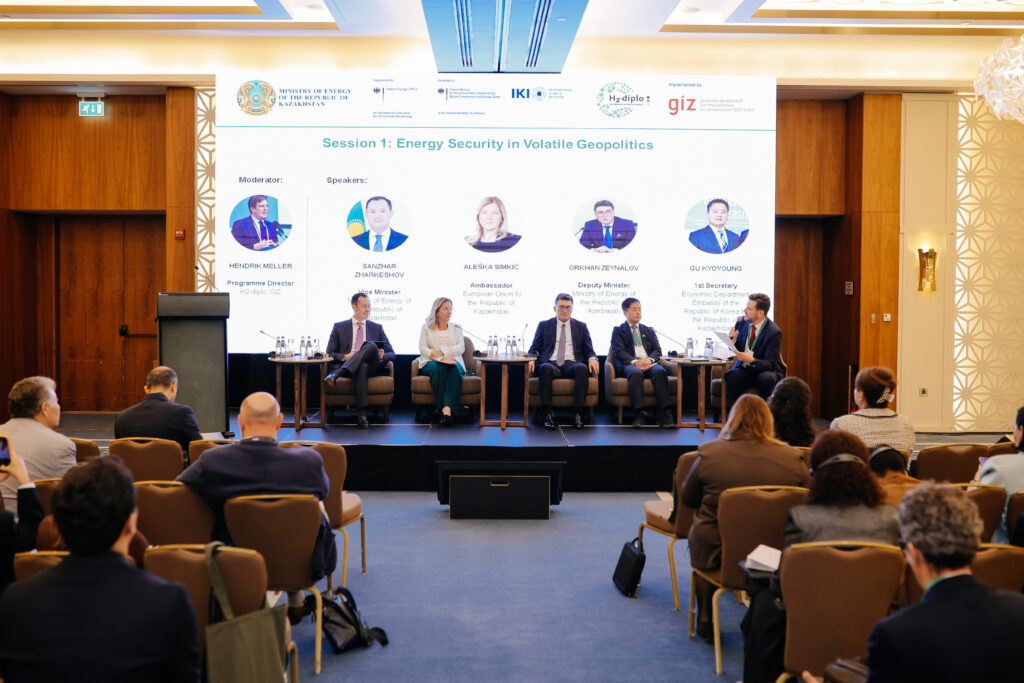
Building on the dialogue established through the first two editions, this year’s Forum explored how Central Asian and European partners can move from agenda-setting towards implementation. Five panel sessions addressed energy security, regional grid integration, hydrogen research and development, the role of coal in Kazakhstan’s decarbonisation pathway, and financing the energy transition.
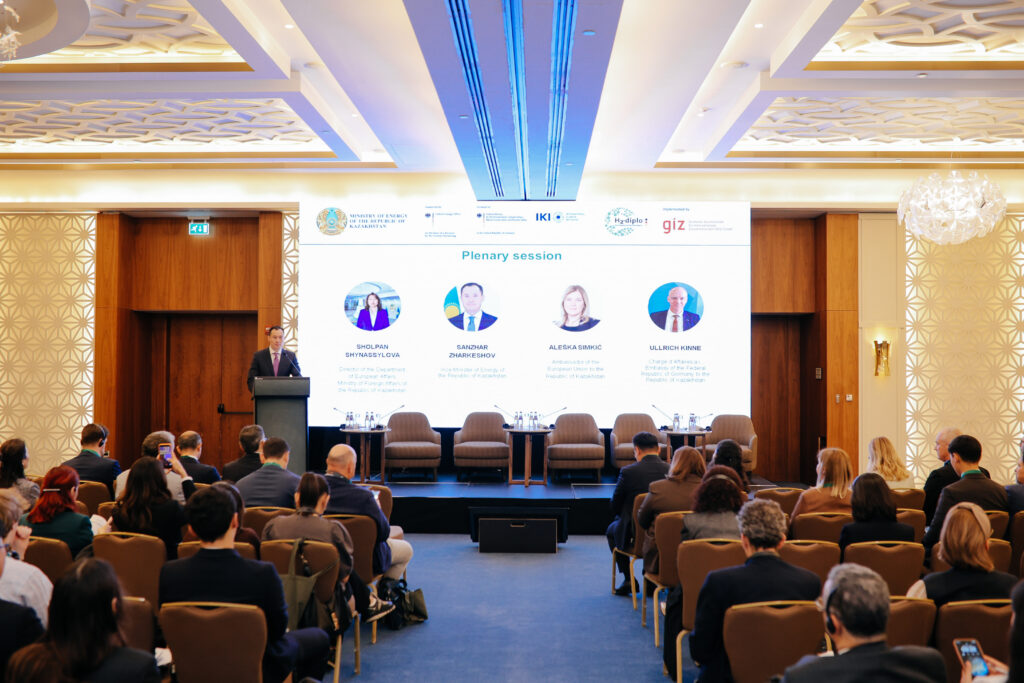
The Forum opened with remarks from Sanzhar Zharkeshov, Vice Minister of Energy of Kazakhstan; Aleška Simkić, Ambassador of the European Union to Kazakhstan; Ullrich Kinne, Chargé d’Affaires a.i. of the German Embassy; and Sholpan Shynassylova, Director of the Europe Department of Kazakhstan’s Ministry of Foreign Affairs. Speakers highlighted the close links between energy security and decarbonisation and the importance of partnerships that bring investment, technology, and local value creation. Discussions highlighted the strategic importance of the Trans-Caspian Middle Corridor and cooperation on cross-border energy infrastructure.
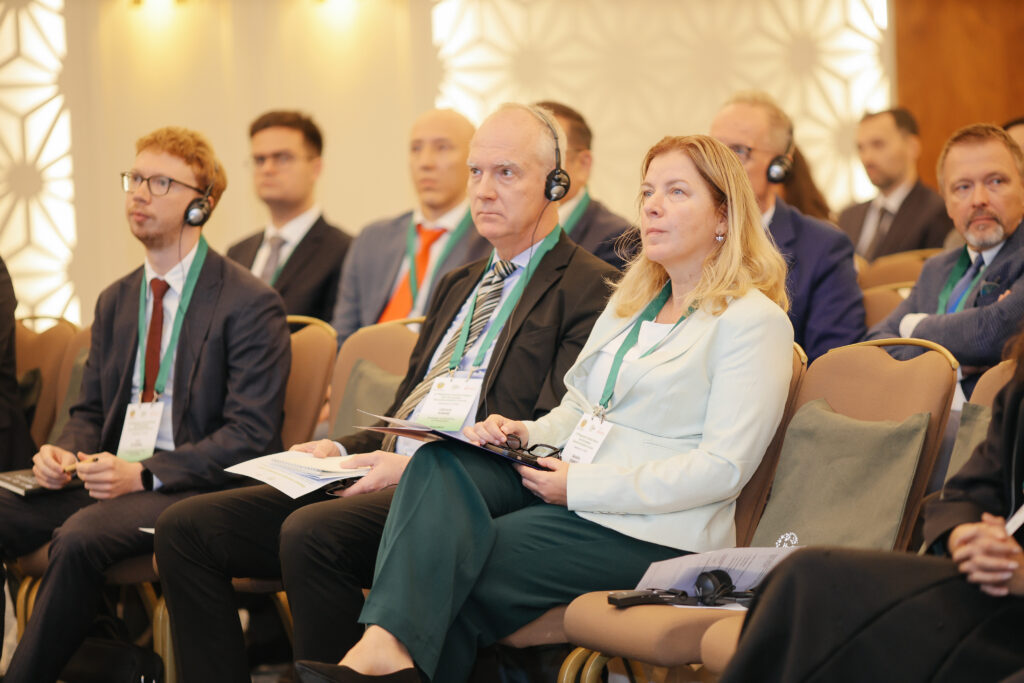
Green hydrogen featured prominently as both a potential future export opportunity and a tool for domestic industrial decarbonisation. The Ministry of Energy presented Kazakhstan’s updated Hydrogen Concept, developed with GIZ support, which extends its horizon to 2040. Leo Goebel from the German Federal Foreign Office complemented this national perspective with a presentation on the geopolitics of the energy transition and the role of green hydrogen. Discussions highlighted domestic applications in refining, ammonia production, and other hard-to-abate sectors, alongside the need for clear regulation, certification, and viable investment models.
We thank all speakers, participants and co-organisers for their contributions. H2-diplo will continue supporting dialogue and cooperation to advance green hydrogen and decarbonisation in Kazakhstan and the wider region.
For more about the event, see our full event report here:
Event Summary Report on the Third Regional Central Asian and European Decarbonisation Forum: From Ambition to Implementation
For more news about H2-diplo activities, follow us on LinkedIn: H2-diplo – Secure Energy Futures.