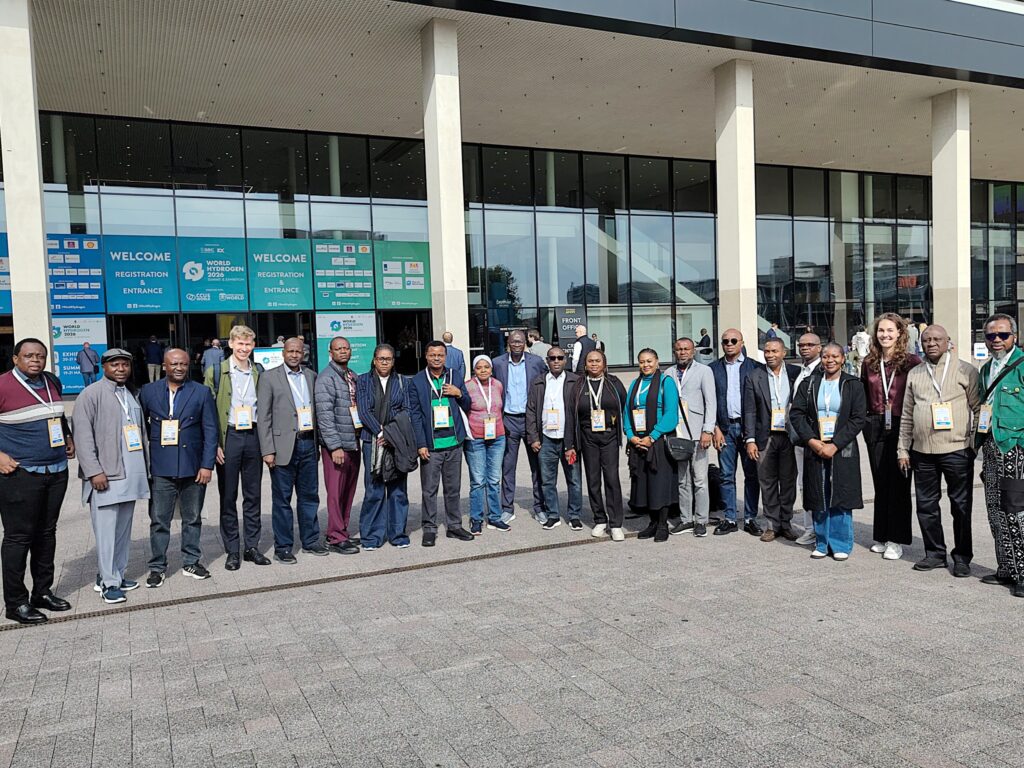
From 17–22 May 2026, H2-diplo organised a study tour to Germany and the Netherlands for members of the Nigerian National Hydrogen Policy Committee. Coordinated by the Nigerian H2-diplo Office, the study tour gave practical insights into hydrogen infrastructure, industrial applications, research, and international cooperation in Germany and the EU.
Bringing together policymakers actively involved in the policy drafting process, the study tour aimed to bridge technical knowledge gaps by showcasing German and European best practices across the hydrogen value chain. Exchanges with industry leaders, researchers, regional initiatives, and international institutions, the delegation showcased how coordinated action between policy, infrastructure, industry, and research can accelerate the development of a hydrogen economy.
Exploring Hydrogen Infrastructure and Industrial Transformation in Duisburg
The study tour began in Duisburg, one of Europe’s most important industrial and logistics hubs. During a pre-event to the World Hydrogen Summit, organised by Duisburg Business & Innovation (DBI), our delegates were introduced to the Rhine-Ruhr hydrogen ecosystem and the strategic role of hydrogen in industrial decarbonisation and logistics transformation. At startport, Johannes Eng from duisport – Duisburger Hafen AG welcomed the delegation and presented Duisburg as world’s largest inland port and an emerging hub for hydrogen logistics and future energy imports. Dominik Bartz from DBI highlighted the role of the City of Duisburg in supporting regional hydrogen initiatives, while Niklas Becker from Hy.Region.Rhein.Ruhr e.V. provided insights into ongoing hydrogen activities across the wider Rhine-Ruhr region.
A site visit to duisport demonstrated how multimodal logistics infrastructure plays an essential role in hydrogen integration into industrial energy systems. Delegates gained insights into the Enerport II flagship project, where Rolls-Royce and duisport have implemented a CO2-neutral and self-sufficient energy system combining hydrogen-ready combined heat and power units, PEM fuel cells, battery storage, photovoltaics, and intelligent energy management. The programme included a visit to Siemens Energy, where Marcel Klinkhardt introduced practical applications of compressor technologies and their importance for transporting, storing and utilising hydrogen safely and efficiently across hydrogen value chains.
The second day of the study tour focused on regional innovation ecosystems and applied hydrogen research. At h2-netzwerk-ruhr e.V., Peter Brautmeier introduced hydrogen activities in Herten and the broader regional approach to developing hydrogen infrastructure and industrial partnerships. The delegation then visited the Zentrum für Brennstoffzellen Technik (ZBT), where Dr. Theresa Schredelseker presented the institute’s research activities and guided participants through their elaborative laboratory and hydrogen testing facility. Delegates gained hands-on insights into fuel cell technologies, testing infrastructure, and applied hydrogen research, illustrating the importance of research institutions in supporting industrial innovation and market development.
Across discussions and site visits, one central takeaway became increasingly clear: successful hydrogen economies require more than technological solutions only. They depend on long-term coordination between governments, infrastructure providers, industry actors, and research institutions to create viable and scalable hydrogen value chains.
Global Perspectives at the World Hydrogen Summit in Rotterdam
The second part of the study tour took the delegation to the World Hydrogen Summit & Exhibition in Rotterdam, one of the world’s leading platforms for hydrogen policy, technology, and investment discussions. Bringing together around 10,000 participants from across industry, government, finance, and research, the summit provided delegates with an opportunity to engage directly with global hydrogen stakeholders and emerging market developments.
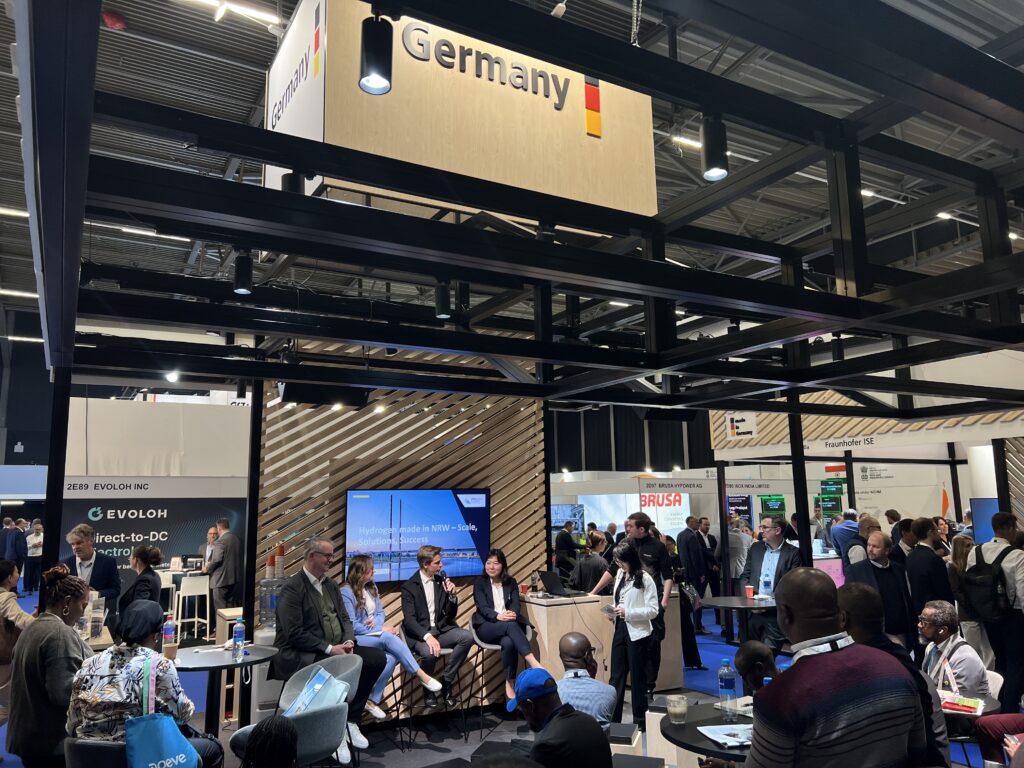
At the German Pavilion, the members of our delegation explored German hydrogen technologies, industrial solutions, and innovation pathways through exchanges with organisations including Fraunhofer Institute for Solar Energy Systems ISE, Zeppelin Group, Güntner, and NRW.Energy4Climate. These discussions highlighted different perspectives on hydrogen research, industrial decarbonisation, energy systems integration, and regional climate and energy strategies.
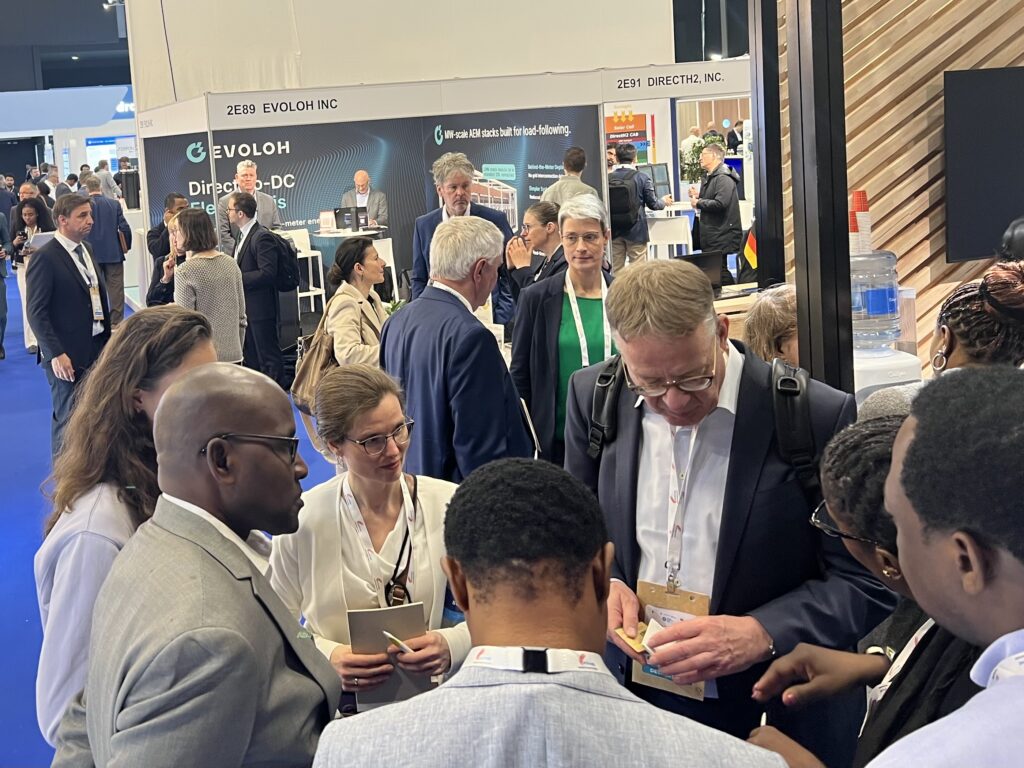
A key moment of the programme was the exchange with Dr. Felix Christian Matthes, Interim Chair of the German National Hydrogen Council, who shared insights into Germany’s hydrogen policy framework and the role of strategic advisory bodies in shaping long-term market development, de-risiking crucial investment decisions.
Further discussions with NRW.Global Business focused on the initiative “Hydrogen made in NRW” and explored how North Rhine-Westphalia is positioning itself as a leading hydrogen region. Conversations covered the future of international cooperation, technology exchange, and investment opportunities between Germany and Nigeria.
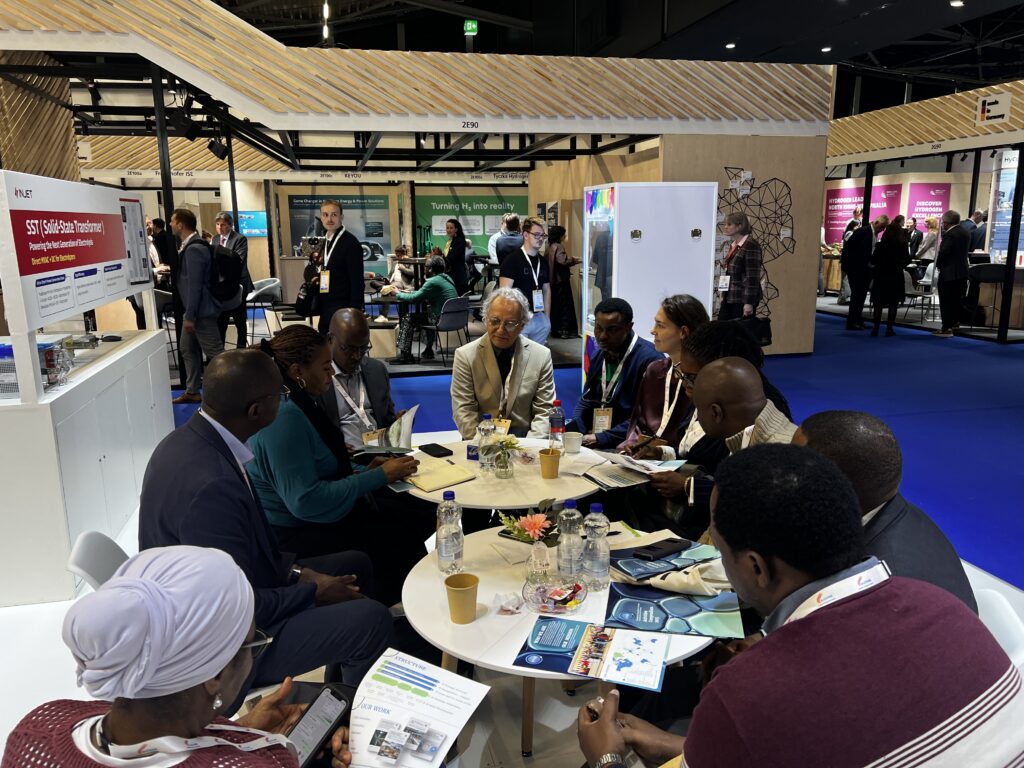
On the second summit day, Germany Trade & Invest provided the delegation with a practical market overview on becoming part of Germany’s hydrogen industry, including regulatory frameworks, financial incentives, and market entry opportunities for international partners.
Another highlight of the programme was the delegation’s exchange with Prof. Paulo Emílio Valadão de Miranda, Chair of International Partnership for Hydrogen and Fuel Cells in the Economy (IPHE), which underlined international cooperation and strategic partnerships as important levers for accelerating global hydrogen deployment. The exchange also highlighted the value of multilateral frameworks and opened the door for further discussions on Nigeria’s potential future engagement with IPHE.
The study tour concluded with a shared understanding that international cooperation will play a critical role in shaping emerging hydrogen economies. For Nigeria, the programme provided practical insights into policy design, infrastructure planning, industrial applications, and innovation ecosystems that can support the development of a national hydrogen economy and future hydrogen value chains. At the same time, the tour further strengthened German-Nigerian cooperation on hydrogen and climate action, creating new opportunities for continued exchange between policymakers, industry representatives, researchers, and international organisations. H2-diplo would like to thank all partners, hosts, and institutions for welcoming the delegation and for contributing valuable perspectives and expertise throughout the week.
For more news about the H2-diplo activities, follow us on LinkedIn: H2-diplo – Decarbonization Diplomacy | LinkedIn.