The European Union’s Carbon Border Adjustment Mechanism (CBAM) is reshaping global trade by placing a carbon price on imported goods and aligning them with the EU’s domestic carbon costs. As CBAM moves through its transitional phase (2023-2026) and towards full implementation in 2026, industries in Nigeria, especially in sectors like steel, cement, and aluminum, must navigate its impact on exports and competitiveness.
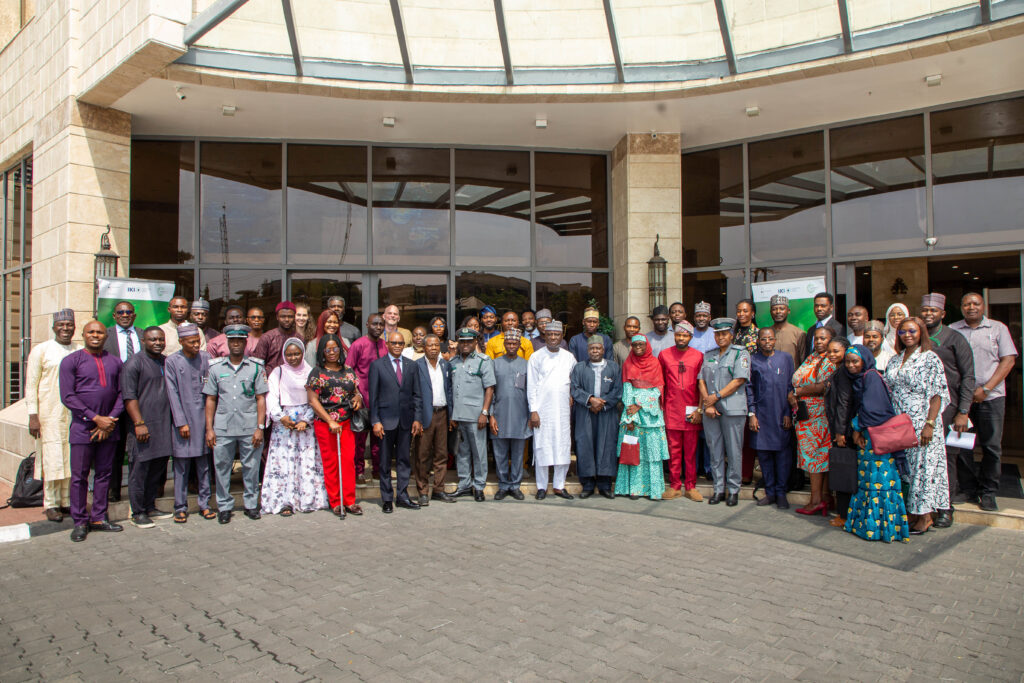
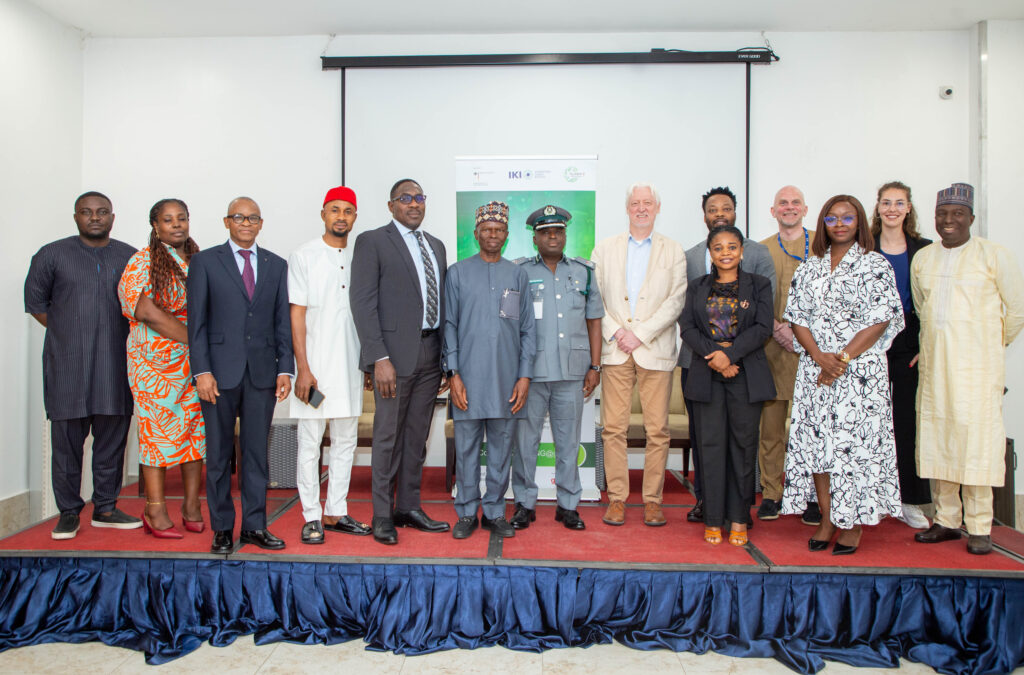
On February 6th, 2025, the H2-diplo Office Abuja organised a CBAM workshop in Abuja bringing together key stakeholders from government agencies, trade organizations, and industry leaders to discuss the implications of the European Union’s Carbon Border Adjustment Mechanism on Nigerian exports. The workshop covered the implementation and implications of the EU and UK’s Carbon Border Adjustment Mechanism, its impact on Nigerian exports and trade competitiveness, the challenges of industrial decarbonization, regulatory and policy considerations, and potential strategies for aligning Nigeria’s industries with international climate requirements. The event, hosted by GIZ Nigeria & ECOWAS, opened with remarks from Dr. Markus Wagner, Country Director at GIZ Nigeria & ECOWAS, and Duke Benjamin, Cluster Coordinator for Just Transition & Inclusion. Representatives from the Nigerian Export Promotion Council (NEPC), including Afolabi Bello, and the National Council on Climate Change (NCCC), represented by Awele Ikobi-Anyali, highlighted Nigeria’s efforts to align trade policies with international climate commitments. A goodwill message was also delivered on behalf of Hon. Minister Sen. John Owan Enoh from the Federal Ministry of State Trade and Investment, reinforcing the government’s commitment to supporting industries affected by CBAM.